SEO Inc. is now using AI (Machine Learning), aligning with Google’s known SEO scoring signals complementing our Award-winning SEO Services. We have a process of looking at first-page results and getting the scoring from the top sites’ averages. We then manually adjust our client’s sites for optimum Google scoring signals for the best chance of reaching the first page and higher in the SERP results....Read More
Best Practices for Updating Your Site Content: A Comprehensive Guide In the digital landscape, keeping your website fresh and relevant is paramount. Regularly updating your site content is crucial to maintaining your competitive edge and enhancing user engagement. However, updating your site content requires a strategic approach to maximize your efforts and drive the most value to your audience. This guide will dive deep into...Read More
In the dynamic digital marketing landscape, staying up-to-date with Google Algorithm Update changes is crucial for businesses seeking online visibility and success. The focus of this article is to provide a detailed examination of the recent Google algorithm update during the summer of 2023. By comprehensively understanding the alterations to Google’s ranking criteria, webmasters and marketers can adapt their strategies to maintain or enhance their...Read More
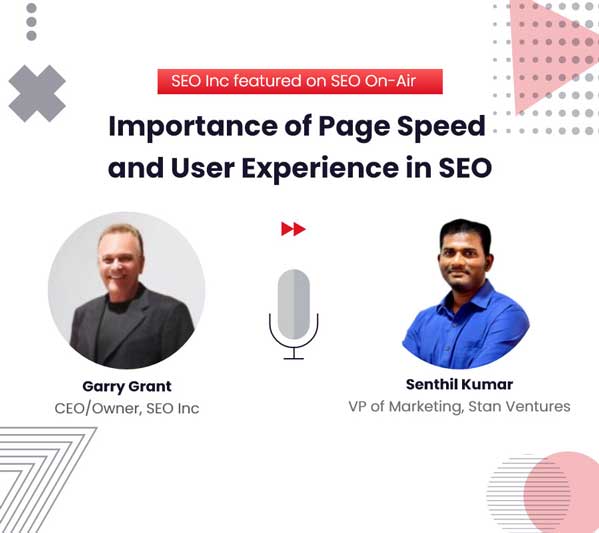
Page speed has been the central discussion for the SEO community lately, with much impetus given to Google’s new speed metric, WebVitals. Google and other search engines have been vocal that user engagement is a significant ranking factor for quite some time. So naturally, web admins have been trying to reach the best page speed score since then. The optimization efforts are based on a...Read More
Revolutionizing Digital Marketing with ChatGPT, BERT, and Bing As artificial intelligence (AI) continues to advance, it rapidly changes the landscape of various industries, including digital marketing and search engine optimization (SEO). With the emergence of powerful AI technologies such as OpenAI’s ChatGPT, Google’s BERT, and Microsoft’s Bing, the future of SEO has never been more exciting. In this article, we’ll delve into the impact of...Read More